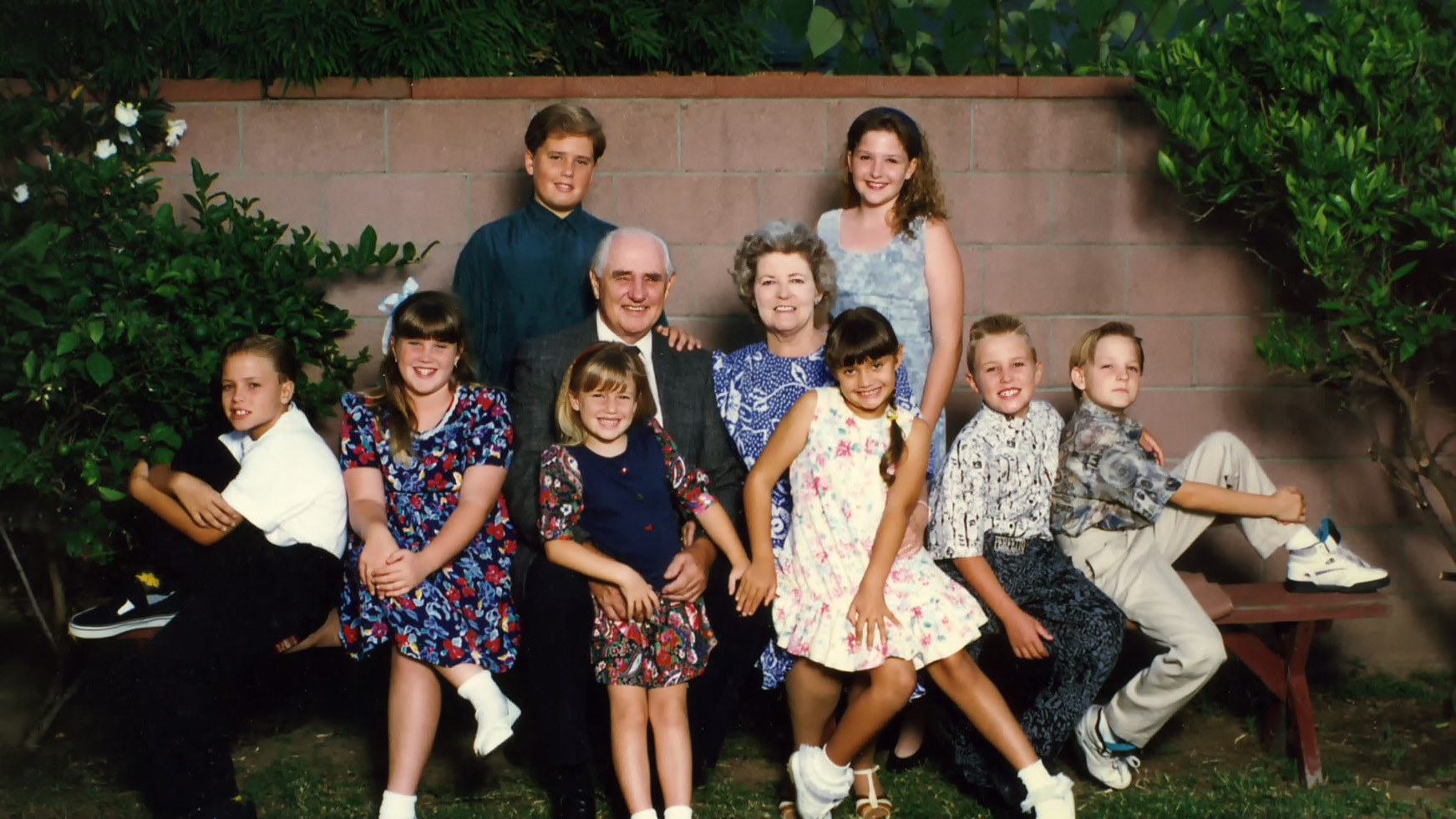
What to Do Now to Create a More Meaningful Memorial Video Later
The most powerful memorial videos are often made possible by small things a family did early: recording a voice, asking the right questions, preserving old media, and writing down the details that make a life unmistakably personal.
No one likes to think about making a memorial video before it is needed. It can feel uncomfortable, premature, or even morbid. But preparing early is not about focusing on loss. It is about preserving life while stories, voices, choices, and details are still close enough to capture.
Most memorial videos are created under pressure. A service date is set. Family members begin searching through phones, boxes, old drives, social media accounts, DVDs, VHS tapes, and photo albums. Everyone wants to help, but no one knows exactly where everything is.
Preparing early changes that. It gives families better material, better stories, better audio, better video, and more meaningful memories to work with. More importantly, it allows a loved one to participate in how their life is remembered.
Start With a Simple Interview
The single most valuable thing you can do is record an interview. It does not need to be formal, and it does not require professional lighting or a studio setup. A quiet room, a phone, and thoughtful questions are enough.
What matters is capturing the person's voice, expressions, stories, humor, and way of speaking. Photos show what someone looked like. An interview shows who they were.
Ask about childhood, parents, siblings, school, first jobs, marriage, children, military service, career, faith, hobbies, favorite places, proudest moments, hardest lessons, and memories they want passed down. Ask about family traditions. Ask what younger generations should know. Ask about the people who shaped them.
Do not rush. Leave space after each question. People often reveal the most meaningful details after a pause.
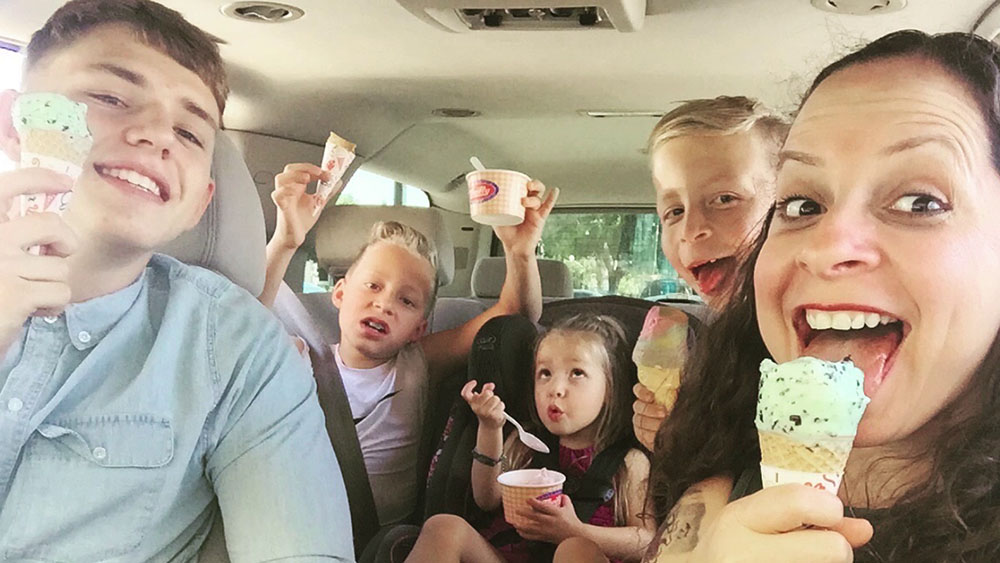
Questions that open stories
- What was your childhood home like?
- Who was your best friend growing up?
- How did you meet the love of your life?
- What are you most proud of?
- What advice would you give your grandchildren?
Questions that reveal meaning
- What song always takes you back?
- What place feels most like home?
- What family tradition should continue?
- Who shaped your life the most?
- What do you want your family to remember?
Record a Message for the Future
A general interview is valuable, but a direct message can be even more meaningful. A loved one may want to record something for a spouse, children, grandchildren, siblings, friends, or future family members they may never meet.
The message does not need to be dramatic. In fact, the most moving recordings are often simple and natural: a parent saying "I love you," a grandparent giving advice, a spouse telling a favorite memory, or a person sharing gratitude for the life they lived.
These clips can open a tribute video, close it, introduce a section, or play softly over photos. They can also be preserved separately as family keepsakes.
The goal is not a flawless performance. The goal is presence.
Organize Photos Before They Are Needed
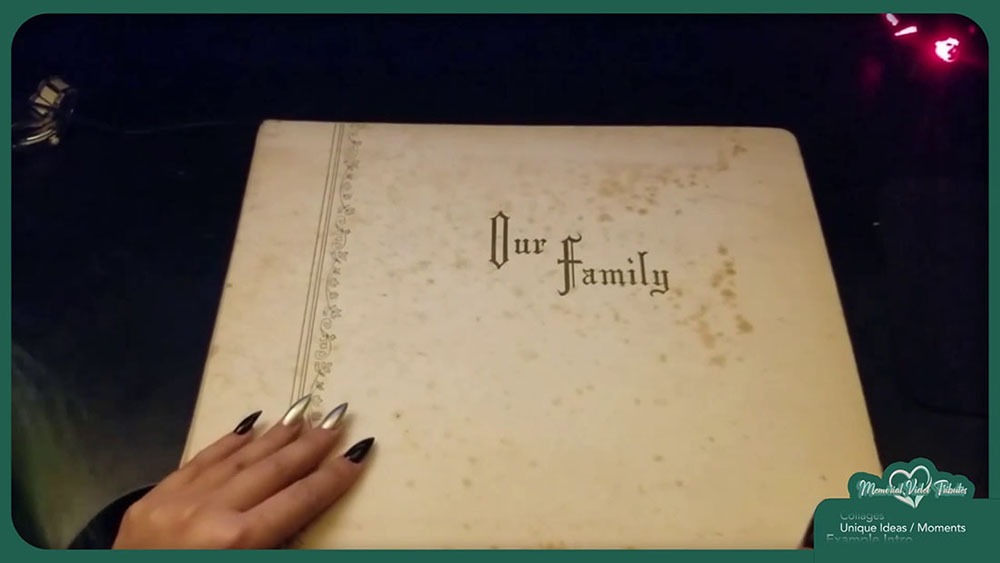
Most families have more photos than they realize. The problem is that they are scattered everywhere: printed albums, shoeboxes, phones, old laptops, cloud accounts, text messages, social media, external drives, DVDs, and family members' computers.
Create one main folder for family history. Inside it, use simple categories such as childhood, parents, siblings, marriage, children, grandchildren, friends, career, travel, hobbies, holidays, military, pets, and favorite portraits. Do not worry about making the system perfect.
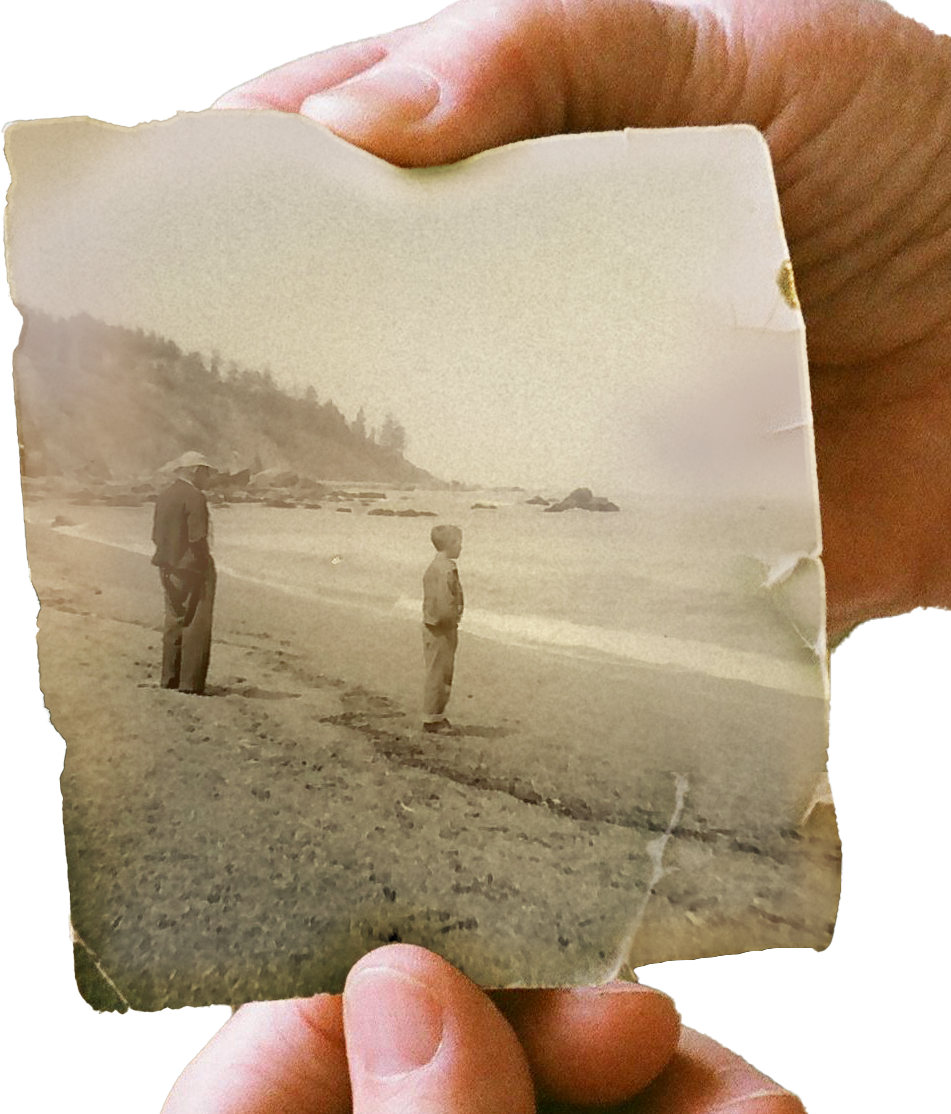
For printed photos, scan the best ones at high resolution when possible. A proper scan gives an editor much more to work with and helps protect the image from damage, loss, or fading.
When choosing photos, think beyond obvious milestones. Personality often lives in casual images: cooking in the kitchen, laughing with friends, holding a grandchild, fixing something in the garage, dancing at a wedding, or sitting in a favorite chair.
Preserve the Materials That Carry Their Presence
Old media, imperfect audio, damaged photos, and handwritten details can all become part of a future tribute. The earlier these materials are preserved, the more options your family will have later.
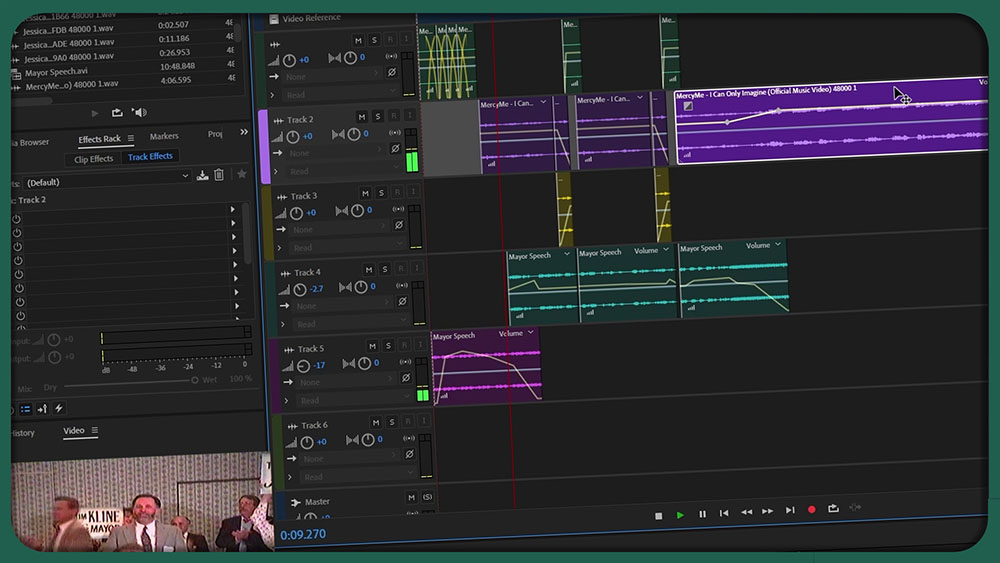
Clear Voice Recordings
Voicemails, speeches, home videos, interviews, toasts, and phone clips can preserve the rhythm, tone, accent, laugh, and small expressions in someone's speech.
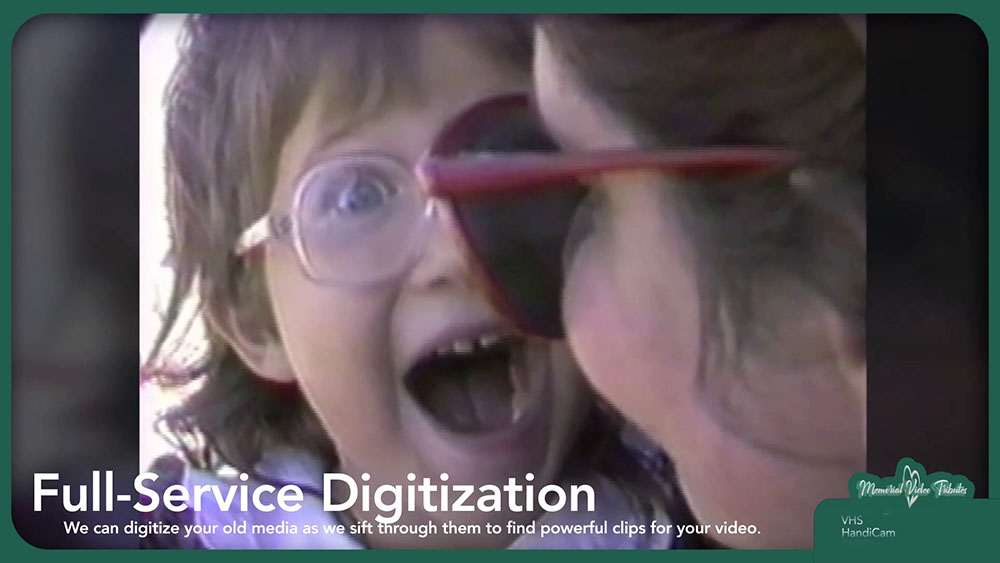
Old Media Digitization
VHS tapes, HandiCam tapes, 8mm film reels, cassettes, DVDs, negatives, slides, and aging drives can become harder to play or recover over time.
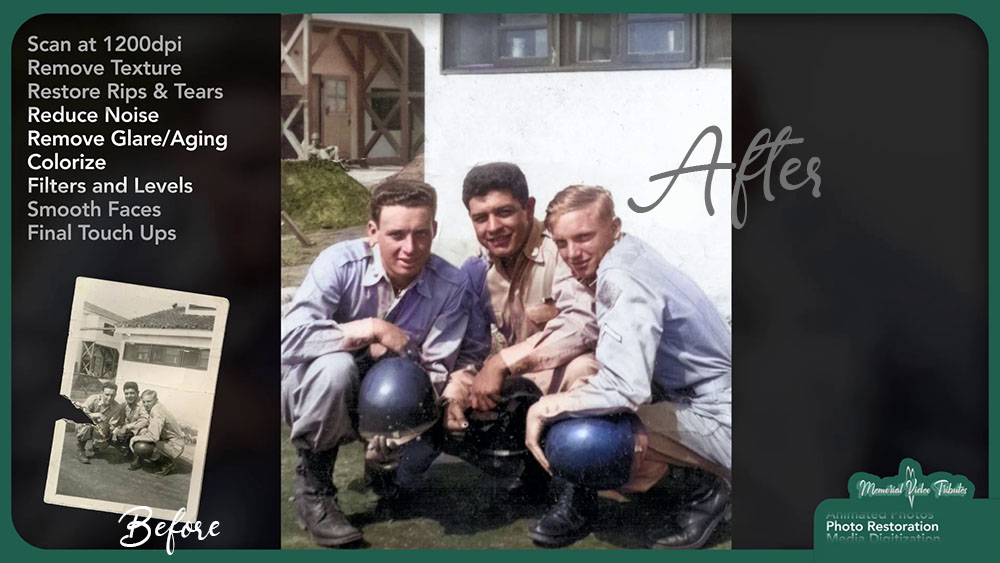
Photo Restoration
Torn, faded, blurry, or scratched images may still be worth saving. Restoration can repair damage, improve contrast, sharpen faces, and correct fading.
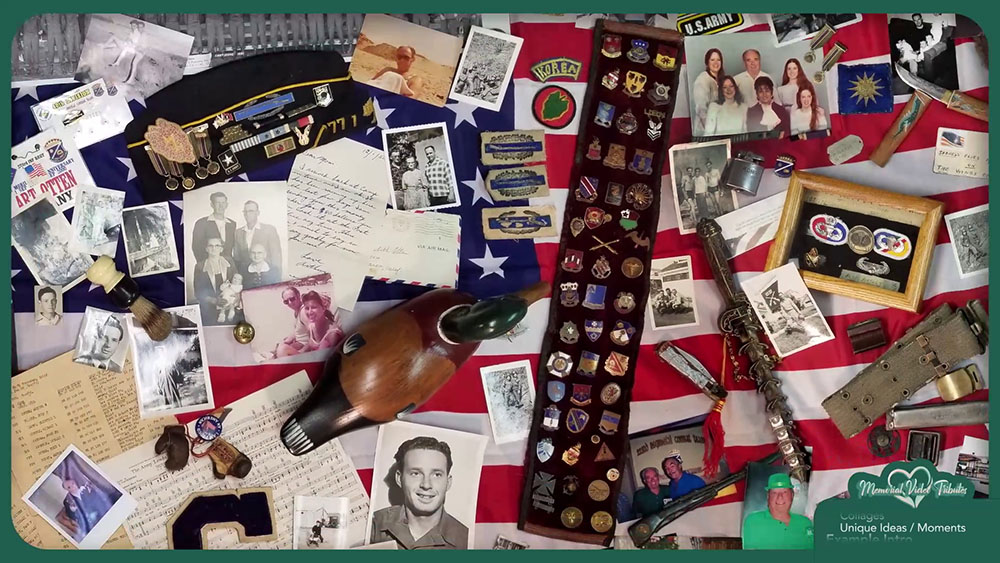
Family Details
Favorite songs, flowers, sayings, hobbies, teams, foods, poems, scriptures, nicknames, and inside jokes help a video feel personal rather than generic.
Capture Their Voice Clearly
Voices are deeply personal. A person's rhythm, tone, accent, laugh, and small expressions can bring back memories instantly. That is why audio deserves special attention.
If you have old voicemails, speeches, home videos, cassette tapes, answering machine recordings, interviews, wedding toasts, holiday videos, or phone clips, preserve them. Even if the audio is noisy or imperfect, it may still be usable.
For new recordings, audio quality matters more than video quality. A slightly imperfect image with clear sound is usually better than a beautiful image with muffled audio. Choose a quiet room, keep the phone close enough to capture the voice clearly, and avoid large echo-heavy spaces when possible.
Do not delete imperfect recordings. A laugh at the end of a sentence, an offhand comment, or a spontaneous story may become the most meaningful part later.
Write Down the Personal Details
A great memorial video is built from more than media. It is built from meaning. Favorite songs, favorite colors, favorite places, favorite flowers, favorite sayings, hobbies, teams, foods, books, movies, poems, scriptures, travel destinations, career highlights, military service, clubs, nicknames, inside jokes, and family traditions all help shape the tone of the tribute.
These details can influence the music, visual style, section titles, background imagery, printed programs, custom packaging, livestream graphics, and even the intro and outro. A tribute for someone who loved gardening might use flowers, handwritten recipe cards, outdoor family photos, and warm natural visuals. A tribute for a pilot might include maps, sky imagery, travel photos, and aviation references. A tribute for a musician might use concert footage, instruments, records, and carefully edited music transitions.
Choose the music while you can ask
Music is one of the most emotional parts of any memorial video. It is also one of the hardest decisions for families to make under pressure. Ask what songs matter most, what music reminds them of childhood, marriage, faith, family, work, or major life events, and what song they would want people to hear while remembering them.
Make the list useful later
Include the artist, song title, and a short note about why each song matters. The answer may be joyful, funny, romantic, spiritual, nostalgic, or completely unexpected. That context gives a future editor a much stronger foundation for the emotional arc of the tribute.
Create a Small Legacy Archive
The most useful preparation is simple: one folder on a computer or cloud drive with the most important materials, plus a short note explaining what each item is and why it matters.
- Photos and portraits: Include favorite images from every stage of life, not only formal milestones.
- Video clips: Save home movies, phone videos, speeches, holiday footage, and quiet everyday moments.
- Voice recordings: Preserve voicemails, interviews, toasts, messages, and audio from older tapes.
- Favorite music: List songs, artists, and the memories or emotions connected to them.
- Written notes: Scan letters, recipes, poems, family history documents, military records, and personal stories.
- Names and relationships: Identify people in older photos so future family members know who they are seeing.
Preparing Is an Act of Love
Preparing for a memorial video does not mean focusing on loss. It means making sure stories are not forgotten, voices are not lost, and old media does not disappear in a box, tape, or broken hard drive.
The best time to record the story is while the person can still tell it. The best time to ask about the song is while they can still choose it. The best time to preserve the old tapes is before they stop playing. The best time to organize the photos is before everyone needs them.
A tribute built from intentional recordings, preserved memories, and personal details gathered ahead of time becomes more than a video. It becomes a voice, a story, and a gift to the future.
Plan a meaningful tribute